


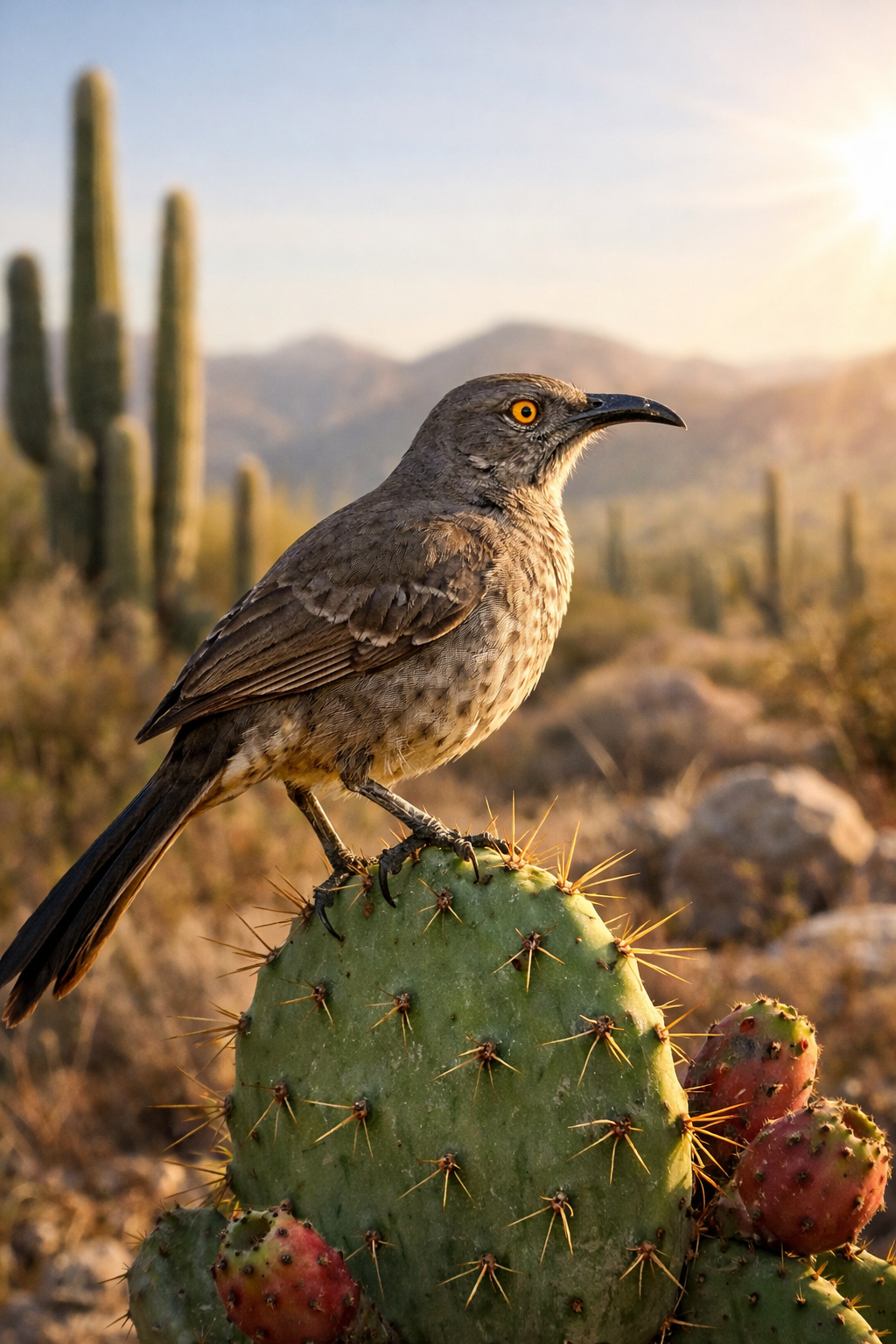
The term “huitlacoche animal” often sparks curiosity among readers and researchers alike. While many associate “huitlacoche” with the edible corn fungus, the huitlacoche animal is an entirely different wonder — a bird native to Mexico and parts of Central America. Known for its melodic song and remarkable mimicry, this bird has deep roots in Aztec civilization culture and Mexican folklore.
Scientifically related to the curve-billed thrasher (Toxostoma curvirostre), the huitlacoche animal thrives in desert landscapes and arid environments. Its mysterious nature, intelligence, and vocal beauty make it one of Mexico’s most culturally symbolic and ecologically vital birds.
What Is the Huitlacoche Animal?
The huitlacoche animal is often confused with huitlacoche fungus, a black corn fungus prized as a delicacy in Mexican cuisine. However, the animal version refers to a wild bird known for its unique voice and desert lifestyle.
The name huitlacoche comes from Nahuatl — huitlatl meaning “excrement” and cochi meaning “to sleep.” The term was originally used by ancient peoples to describe both a fungus and a bird that shared a similar earthy connection. Over time, the huitlacoche animal became a symbol of communication, transformation, and wisdom in indigenous traditions.
Origins and Cultural Meaning of the Huitlacoche Animal
The Bird in Aztec and Mexican Mythology
In Aztec folklore, the huitlacoche animal was known as a messenger between the spiritual and physical worlds. It was believed to carry divine messages through its song, warning or blessing those who heard it. The bird’s haunting yet melodious voice symbolized transformation, intuition, and connection with nature.
In rural Mexican legends, hearing the huitlacoche animal sing during twilight was said to foretell change — rain, birth, or a visitor. Its song became a metaphor for intuition and wisdom, resonating through centuries of oral storytelling.
The Modern Symbolism
Today, the huitlacoche animal represents resilience, communication, and balance with nature. Environmentalists and ornithologists study this bird not only for its fascinating mimicry but also as an indicator of ecosystem health across Mexico’s deserts and grasslands.
Physical Traits and Habitat of the Huitlacoche Animal
Detailed Description
The huitlacoche animal typically measures between 25 and 28 centimeters in length. It has soft grayish-brown plumage, a long tail, and a distinctive curved beak, ideal for digging insects out of the soil. Its bright orange eyes and expressive stance make it easily recognizable among desert wildlife.
Natural Habitat
This bird thrives in semi-arid and desert regions across northern and central Mexico, Baja California, Sonora, and parts of the United States such as Texas, Arizona, and New Mexico. It prefers cactus-filled landscapes, scrub forests, and open plains where insects and seeds are abundant.
Because of its adaptability, the huitlacoche animal is also found in suburban gardens and farmlands, showing its impressive ability to coexist with humans.
Behaviour and Diet of the Huitlacoche Animal
Feeding Habits
The huitlacoche animal is omnivorous, feeding on insects, beetles, worms, small fruits, and seeds. Its curved bill allows it to forage efficiently, turning leaves or soil to uncover hidden prey. This natural behavior contributes to pest control and seed dispersal, making the bird ecologically beneficial.
Song and Communication
One of the defining features of the huitlacoche animal is its song. Its vocalization patterns are complex and diverse, with each bird capable of producing over 50 distinct sounds. It can mimic other birds, insects, and even man-made noises like whistles or phones.
During mating season, males sing elaborate songs from treetops or cacti to attract mates. These calls are not only beautiful but also serve as territorial signals, establishing dominance and protecting nesting grounds.
Difference Between Huitlacoche Animal and Huitlacoche Fungus
| Feature | Huitlacoche Animal | Huitlacoche Fungus |
| Type | Bird (Curve-billed Thrasher) | Corn fungus (Ustilago maydis) |
| Habitat | Deserts, scrublands | Cornfields |
| Symbolism | Voice, intelligence, transformation | Fertility, sustenance, renewal |
| Role in Ecosystem | Controls insects, disperses seeds | Adds nutrients to soil, edible delicacy |
| Association | Aztec bird mythology | Mexican culinary culture |
Both share linguistic roots in Nahuatl, but serve very different roles in culture and nature.
Ecological Importance of the Huitlacoche Animal
The huitlacoche animal is vital for maintaining biodiversity in arid regions. By controlling pest populations and spreading plant seeds, it helps balance fragile ecosystems. Ornithologists often use this species as a bioindicator — meaning its presence reflects the health of local environments.
Additionally, its nesting behaviour enriches the soil and encourages vegetation growth. Protecting this bird ensures the survival of numerous desert plants and smaller animals that depend on the same ecosystem.
Conservation and Protection Efforts
Although not currently endangered, the huitlacoche animal faces threats from habitat loss, urbanization, and climate change. Conservation groups in Mexico and the United States are working to preserve natural desert landscapes and raise awareness about native species like the huitlacoche animal.
Supporting reforestation, organic agriculture, and wildlife corridors are crucial steps to ensure this bird’s continued survival. Protecting the huitlacoche animal also means preserving a cultural legacy that connects modern Mexico to its indigenous roots.
Fascinating Facts About the Huitlacoche Animal
- It belongs to the Toxostoma, known for curved bills and complex songs.
- Its voice can mimic more than 50 different bird species.
- The huitlacoche animal is monogamous, forming life-long pairs.
- It is active mainly during dawn and dusk, when its songs are most powerful.
- In Aztec tradition, hearing it sing near your home was considered a good omen.
FAQs
1. Is the huitlacoche animal real?
Yes. The huitlacoche animal is a real bird species — the curve-billed thrasher — known for its intelligence and desert adaptability.
2. Why is it called a huitlacoche animal?
The name originates from the Nahuatl word huitlatl-cochi, which referred to both a bird and fungus because of their shared earthy habitats.
3. Where is the huitlacoche animal found?
It is found across Mexico, parts of Central America, and the southwestern United States, particularly in Sonora, Baja California, Arizona, and Texas.
4. What does the huitlacoche animal eat?
Its diet includes insects, beetles, fruits, and seeds — making it both a natural pest controller and seed spreader.
5. Is the huitlacoche animal endangered?
No, it is not endangered. However, conservation efforts are important to prevent population decline due to deforestation and urban sprawl.
Conclusion
The huitlacoche animal is far more than a misunderstood name. It’s a symbol of the harmony between culture, ecology, and history. This remarkable bird’s song connects ancient myths with modern science, echoing across Mexico’s deserts as a reminder of nature’s resilience.
By understanding and protecting the huitlacoche animal, we honour both indigenous heritage and the biodiversity that sustains our planet. Its story teaches us that every creature — no matter how small — plays a part in the grand symphony of life.
