


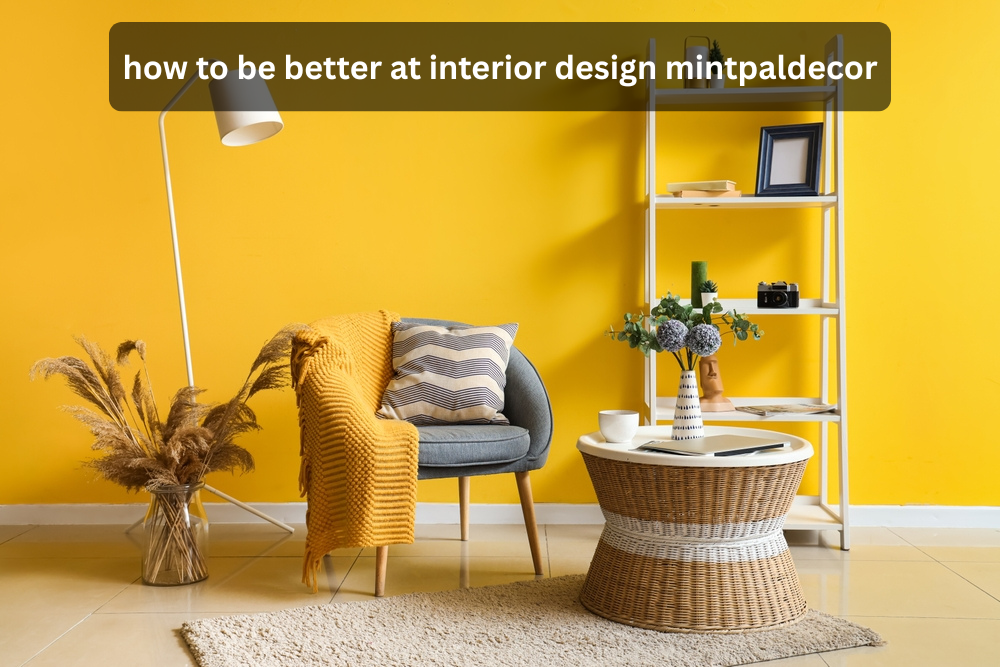
Interior design is more than just arranging furniture or choosing colours—it’s about creating spaces that are functional, stylish, and reflective of your personality. Many people struggle with understanding the principles and techniques that make a room look cohesive, comfortable, and aesthetically appealing. If you’re wondering how to be better at interior design MintPalDecor, you’re in the right place. This guide covers practical tips, expert insights, and step-by-step strategies that help you elevate any space. By the end, you’ll have actionable advice on everything from colour schemes and lighting to furniture layout and décor, allowing you to transform your home into a stylish, harmonious environment that feels both inviting and personal.
Understanding the Core Principles of Interior Design
To become proficient in interior design, learning the core principles is essential. Concepts such as balance, harmony, proportion, rhythm, and contrast form the backbone of successful design. Balance ensures the room feels stable, whether through symmetrical furniture arrangements or thoughtful placement of décor items. Harmony ties all design elements together, making colours, textures, and patterns work cohesively. Proportion ensures objects suit the scale of your space, while rhythm guides the eye naturally from one point to another. Finally, contrast adds visual interest by highlighting differences in textures, colours, or shapes. Mastering these principles is the foundation for anyone learning how to be better at interior design MintPalDecor, enabling both aesthetic and functional choices.
Choosing the Right Colours, Textures, and Materials
Colour, texture, and material selection dramatically influence the feel and functionality of a room. Colours set the tone, affecting mood and spatial perception—soft neutrals create calm and spaciousness, while bold shades inject energy and personality. Textures such as plush rugs, natural wood, metallic accents, and fabrics add depth and tactile appeal, making spaces feel layered and inviting. Material choices affect durability, comfort, and maintenance, which are all crucial in a well-designed room. Learning how to be better at interior design MintPalDecor means experimenting with textures, layering materials, and combining colours that complement each other while reflecting your personal style. A thoughtfully curated palette can turn even the simplest room into a stylish sanctuary.
Space Planning: Maximize Functionality and Flow
Effective space planning is a vital aspect of interior design. A beautiful room that is poorly arranged can feel cramped or chaotic. Understanding how to be better at interior design MintPalDecor involves careful measurement, layout sketching, and furniture arrangement that prioritizes movement and functionality. Consider focal points such as fireplaces, artwork, or statement furniture, and design around them. Open floor plans benefit from strategic placement of rugs, lighting, and seating to define areas without overcrowding. Multi-functional furniture, like storage benches or foldable tables, maximizes usable space and enhances practicality while maintaining style. Proper planning ensures your rooms feel balanced, accessible, and visually appealing.
Lighting: Transform Your Home with Light
Lighting has the power to completely change a room’s ambiance. When learning how to be better at interior design MintPalDecor, it’s essential to layer lighting for both function and mood. Use natural light whenever possible, keeping windows unobstructed and reflective surfaces in mind. Complement this with ambient lighting for general illumination, task lighting for functional areas like desks or kitchen counters, and accent lighting to highlight décor or architectural features. The colour temperature of your lights also plays a critical role—warm lighting creates a cozy atmosphere, while cooler lights are ideal for workspaces or modern interiors. Strategic lighting enhances textures, emphasizes focal points, and makes a room feel open and inviting.
Infusing Personal Style Through Décor
Personalization is the hallmark of professional interior design. Decorative elements such as artwork, cushions, rugs, plants, and vases allow you to inject personality into your spaces. To excel at how to be better at interior design MintPalDecor, choose pieces that complement your room’s palette and layout while avoiding clutter. Mix patterns, textures, and materials thoughtfully to create a cohesive look. Subtle personal touches, like family photos, curated collections, or heirlooms, can add warmth and character, turning a house into a home. Balance and intentionality are key—every piece should serve both a functional or visual purpose.
Continuous Learning and Staying Inspired
Interior design trends and techniques evolve constantly, making continuous learning essential. Exploring blogs, tutorial videos, social media platforms, and workshops helps you stay updated and gain new inspiration. Practicing design skills in small projects, such as rearranging a bedroom or redesigning a home office, sharpens your understanding of space, colour, and décor. Feedback from friends or online communities can highlight areas of improvement, accelerating your progress in how to be better at interior design MintPalDecor. Cultivating a habit of observation, experimentation, and refinement ensures your designs remain fresh, functional, and visually stunning.
Common Mistakes to Avoid in Interior Design
Even experienced designers can fall into common pitfalls. Overcrowding rooms with furniture, neglecting lighting, or mismanaging colour schemes are frequent mistakes. Overmatching décor can make spaces feel monotonous, while underutilizing focal points can leave rooms visually flat. Learning how to be better at interior design MintPalDecor involves avoiding these errors by balancing aesthetics with functionality, prioritizing flow, and carefully curating design elements. Recognizing mistakes early allows you to adjust and refine your approach, creating rooms that are both practical and stylish.
FAQs
Q1: What is the first step to improving interior design skills?
The first step is understanding the core principles of design—balance, harmony, contrast, scale, and rhythm. Observing how these principles are applied in real spaces is crucial for learning how to be better at interior design MintPalDecor.
Q2: How important is colour in interior design?
Colour is vital, as it sets mood, enhances space perception, and ties together textures and materials. Mastering colour combinations is key to becoming better at interior design.
Q3: How can lighting enhance my home?
Layered lighting—ambient, task, and accent—can transform any room. Proper lighting highlights textures, creates mood, and ensures functional spaces.
Q4: Can I improve interior design skills without formal training?
Absolutely! Practicing design in your own home, following blogs, tutorials, and experimenting with layouts and décor will significantly improve your skills in how to be better at interior design MintPalDecor.
Q5: What is the easiest way to add personal style to a room?
Incorporate decorative elements like artwork, cushions, rugs, or plants that reflect your personality while keeping balance and cohesion with the room’s overall design.
Conclusion
Learning how to be better at interior design MintPalDecor takes patience, practice, and attention to detail. By mastering core principles, optimizing space, selecting the right , materials, and lighting, and adding personal touches, you can create spaces that are both beautiful and functional. Continuous learning and experimentation ensure that your designs stay fresh and inspiring. With these strategies, anyone can elevate their home’s style, functionality, and comfort, turning ordinary spaces into extraordinary environments that reflect personality and taste.
