


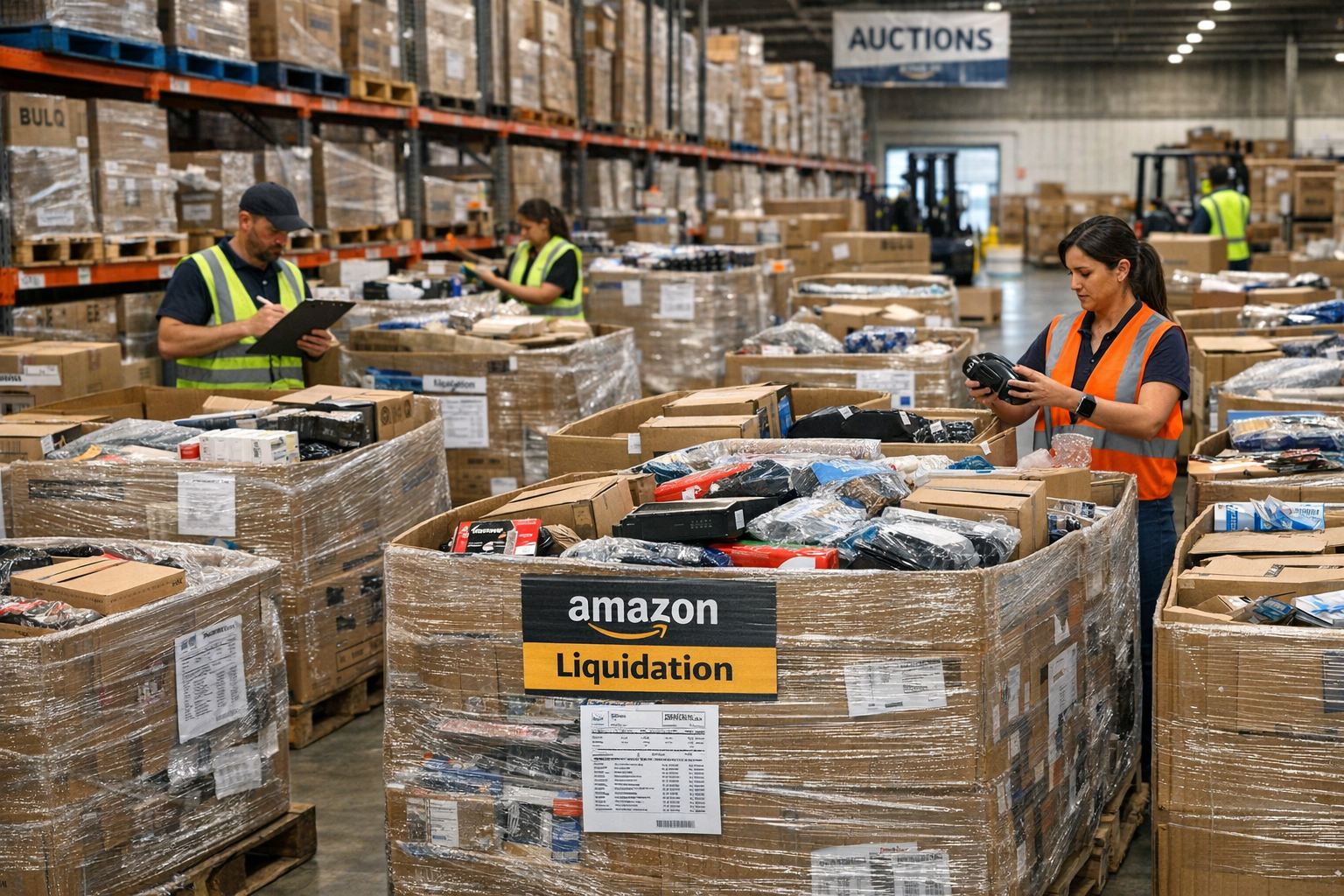
In 2026, the demand for Amazon liquidation pallets skyrocketed as more entrepreneurs and resellers look for cost-effective ways to source products and start profitable businesses. Amazon liquidation pallets are bulk collections of returned, overstocked, or warehouse-damaged items that Amazon sells at discounted prices to clear inventory. Each pallet can contain hundreds of products across multiple categories — including electronics, clothing, home appliances, beauty products, toys, and tools. For smart resellers, these pallets represent a hidden goldmine — an opportunity to buy high-value merchandise at a fraction of its retail cost and resell it for profit.
Buying Amazon liquidation pallets is not just about flipping products; it’s about building a sustainable business around the surplus retail ecosystem. With rising consumer returns and inventory rotation cycles, Amazon’s liquidation programs have become a cornerstone of the e-commerce reselling industry. Entrepreneurs who learn how to source, analyze, and market these pallets effectively can create consistent, scalable income streams.
How Amazon Liquidation Pallets Work: From Amazon’s Warehouse to Your Business
Amazon operates one of the largest logistics networks in the world, processing millions of returns every month. These returns, along with unsold stock and excess inventory, are bundled into pallets and sold through liquidation channels. When you buy Amazon liquidation pallets, you’re essentially purchasing these lots either directly from Amazon’s liquidation platform or through verified third-party wholesalers.
Amazon sells these pallets mainly through its Amazon Liquidation Auctions website — a B2B platform designed for registered businesses. Buyers can browse available lots, view manifests (detailed lists of items included), and bid on pallets based on the categories they prefer. In addition, Amazon partners with trusted liquidation marketplaces like B-Stock, BULQ, and Liquidation.com, ensuring that excess inventory reaches resellers around the world. Each pallet can vary in size, condition, and potential resale value — which makes due diligence critical before placing a bid or making a purchase.
Why Amazon Liquidation Pallets Are Profitable for Resellers
The biggest advantage of investing in Amazon liquidation pallets is the profit potential. These pallets often contain products that can be resold for two to five times the purchase cost when sourced and marketed correctly. For instance, a $500 pallet might include electronics, kitchenware, or brand-name apparel worth $2,000 or more at retail value. Resellers can list these items on eBay, Facebook Marketplace, Amazon FBA, or even launch their own Shopify stores.
Beyond profit, buying liquidation pallets also offers several strategic advantages:
- Sustainability: It helps reduce waste by reintroducing returned or unsold products into the marketplace.
- Diverse Inventory: You get access to a wide range of products, giving flexibility to test multiple niches.
- Scalability: Once you master sourcing and selling, you can expand operations easily.
- Low Barriers to Entry: Anyone with minimal capital and market knowledge can start a resale business.
Whether you’re a side hustler or a full-time entrepreneur, Amazon liquidation pallets offer a powerful entry point into e-commerce with manageable risks and high rewards.
Types of Amazon Liquidation Pallets You Can Buy in 2026
1. Customer Return Pallets
These pallets include products that customers returned for various reasons — wrong size, damaged packaging, or minor defects. While some items may require testing or repair, many are still new and functional, making them a profitable choice for refurbishers and online sellers.
2. Overstock Pallets
Overstock pallets consist of brand-new, unopened merchandise that Amazon needs to clear out due to storage limits or product rotation. These are often the most valuable pallets for resellers because the goods are in perfect condition.
3. Mixed Category Pallets
Mixed pallets combine products from multiple categories — from electronics and clothing to home goods and beauty products. They’re ideal for beginners who want to explore different markets or sellers operating general resale stores.
4. Shelf-Pull and Clearance Pallets
These include retail-ready items that were displayed or stored on shelves but never sold. They often look new and come with original packaging, offering excellent resale potential both online and offline.
Where to Buy Amazon Liquidation Pallets
Buying Amazon liquidation pallets from legitimate sources ensures transparency, product quality, and fair pricing. Here are the best platforms in 2026 to source them:
- Amazon Liquidation Auctions – Official Amazon B2B liquidation marketplace for verified businesses.
- BULQ.com – Offers small case lots and pallets with clear manifests and fixed prices.
- B-Stock – Hosts liquidation auctions directly from major retailers including Amazon.
- Liquidation.com – One of the oldest platforms offering a wide range of liquidation inventory.
- Local Liquidation Warehouses – Regional suppliers offering physical inspection opportunities before buying.
Before purchasing, always check seller ratings, manifest details, and shipping costs. Reliable suppliers provide transparent listings that include product conditions (new, used, refurbished) and estimated resale values.
How to Make Money from Amazon Liquidation Pallets
Turning Amazon liquidation pallets into profit requires a systematic approach:
- Research Product Demand: Use market tools like eBay’s sold listings, Helium10, or Jungle Scout to analyze what products are currently in demand.
- Understand Profit Margins: Deduct shipping, storage, and platform fees from your resale price to calculate accurate profits.
- Recondition and Repackage: Clean or repair items if needed to enhance resale value.
- List Strategically: Use SEO-optimized product descriptions and clear images to attract buyers.
- Diversify Sales Channels: Sell across multiple marketplaces like eBay, Poshmark, Facebook Marketplace, and your own website.
Consistency and reputation are key. Providing accurate product descriptions and honest condition reporting builds trust, encouraging repeat customers and positive reviews — both of which boost your search ranking on Google and marketplace platforms.
Risks and Challenges When Buying Liquidation Pallets
While the potential for profit is real, buying Amazon liquidation pallets does carry certain risks. Not every item in a pallet will be sellable or in perfect condition. Some manifests may be incomplete, and unexpected shipping costs can reduce margins. Additionally, some platforms sell unmanifested pallets, meaning you don’t know exactly what you’re getting.
To minimize risk:
- Start small with a few pallets before scaling up.
- Research your suppliers thoroughly.
- Always read terms of sale and return policies.
- Test and verify every product before reselling.
Treat the process like a business — with proper budgeting, logistics planning, and market analysis — to avoid costly mistakes.
FAQs
1. Are Amazon liquidation pallets profitable in 2026?
Yes, with the right strategy, Amazon liquidation pallets can generate substantial profit margins for resellers through online marketplaces and local sales.
2. How much do Amazon liquidation pallets cost?
Prices can range anywhere from $100 for small mixed lots to over $5,000 for premium electronics or branded merchandise pallets.
3. Can individuals buy Amazon liquidation pallets without a business license?
While Amazon’s official auction site requires business verification, third-party platforms like BULQ or Liquidation.com allow individual buyers.
4. What are the best products to resell from Amazon liquidation pallets?
Electronics, tools, home goods, apparel, and beauty items typically offer the best resale value and fastest turnover rates.
5. How do I avoid scams when buying liquidation pallets?
Only buy from verified liquidation marketplaces, check seller reviews, and ensure the pallet comes with a clear manifest and shipping information.
Conclusion
The Amazon liquidation pallet industry continues to expand rapidly as global e-commerce scales higher every year. What started as a side hustle for many has evolved into full-time businesses generating six-figure incomes. With smart sourcing, proper research, and ethical selling practices, reselling liquidation pallets is no longer a gamble — it’s a proven business model.
Whether you’re a beginner looking for your first pallet or an experienced entrepreneur seeking to scale, the opportunities are limitless. By leveraging the right strategies and maintaining transparency, you can turn Amazon’s excess inventory into a profitable, eco-friendly, and sustainable business venture in 2026 and beyond.
