


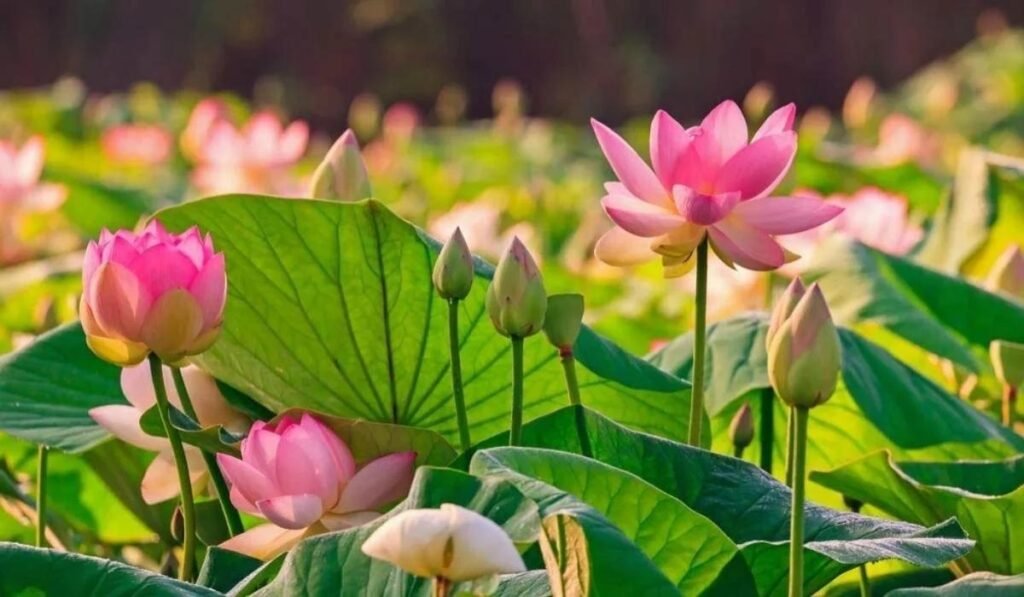
The Boylecheloid flower is one of nature’s most captivating and little-known floral wonders. Its unique structure, color gradients, and soothing fragrance have made it a topic of fascination among botanists, horticulturists, and nature enthusiasts alike. Found primarily in tropical and subtropical regions, this rare bloom thrives in moist, shaded environments where natural biodiversity flourishes. What makes the truly extraordinary is its ability to adapt to different ecological conditions while maintaining its distinctive beauty. Today, it stands as a symbol of resilience, transformation, and the breathtaking complexity of the natural world.
Origin and Discovery of the Boylecheloid Flower
The Boylecheloid flower was first identified in dense forest regions where humidity and filtered sunlight created the perfect environment for growth. Its discovery led to years of botanical research aimed at understanding its genetic makeup, adaptability, and survival patterns. Many experts believe the flower is the result of natural hybridization between ancient species, evolving to withstand diverse climatic shifts. The name “Boylecheloid” reflects its lineage’s connection to complex plant morphology and unique petal structure. Botanists continue to study this fascinating flower to uncover more about its origin, pollination patterns, and potential environmental benefits.
Physical Description: What Makes the Boylecheloid Flower Unique
The Boylecheloid flower is celebrated for its ethereal beauty and intricate design. Each bloom features layered petals that shimmer with subtle color shifts, transitioning between soft pastels and deep iridescent tones. The flower’s symmetrical form and velvety texture give it a refined appearance that appeals to photographers and garden designers. Its gentle scent, often described as sweet and calming, attracts pollinators such as bees, butterflies, and hummingbirds, contributing to ecosystem diversity. It stands out not just for its beauty, but also for its remarkable ability to adjust to varying light and soil conditions, showcasing the adaptability of nature at its finest.
Ecological Importance and Role in the Environment
Beyond its visual charm, the Boylecheloid flower plays an essential role in maintaining the ecological balance of its habitat. It serves as a key pollination source for several species of insects and birds, helping maintain a thriving natural cycle. The plant’s roots enhance soil stability and promote nutrient retention, improving the overall fertility of its ecosystem. In regions where biodiversity is threatened, the presence of the often indicates a healthy, balanced environment. Conservationists emphasize protecting its natural habitat, as the loss of this flower could disrupt the delicate relationships among flora and fauna.
Cultivation and Care: How to Grow Boylecheloid Flowers
Cultivating the Boylecheloid flower requires patience, precision, and a proper understanding of its natural environment. It prefers rich, well-drained soil and moderate humidity levels. Direct sunlight should be avoided, as it may cause the petals to fade or wilt. Regular watering is essential, but overwatering can harm its root system. Organic compost or natural fertilizers should be applied monthly to ensure strong, vibrant growth. With the right care routine, they can bloom beautifully in both indoor and outdoor gardens. Gardeners often describe growing this flower as a rewarding experience that brings both elegance and serenity to any landscape.
Symbolism and Cultural Significance of the Boylecheloid Flower
Across cultures, the Boylecheloid flower symbolizes purity, transformation, and emotional balance. Its ability to change hues in different lighting conditions reflects life’s natural process of growth and renewal. In certain traditions, it is used as a meditative or decorative element, representing harmony and mindfulness. Artists and poets have long been inspired by its elegance, viewing it as a living metaphor for inner strength and grace. This is not just a plant—it’s a symbol of natural perfection, reminding humanity of the beauty and fragility that coexist within nature.
Conservation Efforts and Environmental Awareness
Due to deforestation and climate change, the Boylecheloid flower has faced threats to its natural habitat. Several conservation projects around the world now focus on cultivating and preserving its species in botanical gardens and controlled greenhouses. Environmental scientists continue to research ways to protect the flower’s genetic diversity, ensuring its survival for future generations. Awareness campaigns encourage communities to protect pollinators and native flora that support the ecosystem. These efforts highlight the growing importance of plant conservation in maintaining Earth’s natural equilibrium.
Scientific Research and Future Potential
Ongoing scientific studies have revealed that the Boylecheloid flower may possess unique bioactive compounds beneficial in natural medicine and environmental sustainability. Its pigment structure could inspire eco-friendly dyes, while its genetic adaptability offers insights into plant resilience. As researchers continue to decode its properties, the Boylecheloid flower may soon hold potential applications in horticulture, cosmetics, and climate adaptation strategies. This combination of science and beauty makes it one of the most exciting subjects in modern botanical study.
FAQs
1. What is the Boylecheloid flower known for?
The Boylecheloid flower is known for its rare beauty, color-changing petals, and ecological importance. It represents transformation, balance, and resilience in nature.
2. Can the Boylecheloid flower be grown at home?
Yes, the Boylecheloid flower can be cultivated at home under the right conditions. It requires humidity, partial sunlight, organic soil, and regular care to bloom successfully.
3. Where does the Boylecheloid flower naturally grow?
This flower thrives in tropical and subtropical regions, often found in humid forests with filtered sunlight and rich, organic soil.
4. Why is the Boylecheloid flower considered rare?
The Boylecheloid flower grows in limited regions and depends on specific environmental conditions. Deforestation and climate change have further reduced its natural population, adding to its rarity.
5. What does the Boylecheloid flower symbolize?
The Boylecheloid flower symbolizes adaptability, inner growth, and harmony. It is often associated with peace, reflection, and emotional renewal.
6. How can we protect the Boylecheloid flower?
Protecting natural habitats, reducing deforestation, and supporting conservation programs are key steps to ensuring the Boylecheloid flower continues to thrive in the wild.
Conclusion:
The Boylecheloid flower remains a testament to nature’s boundless creativity and resilience. From its mysterious origins and symbolic meanings to its ecological contributions, this flower continues to inspire awe and curiosity. As more people recognize the importance of preserving rare species, this stands as a reminder of the deep connection between human life and the natural world. Whether admired in the wild or cultivated in gardens, it continues to embody elegance, endurance, and environmental harmony.
