


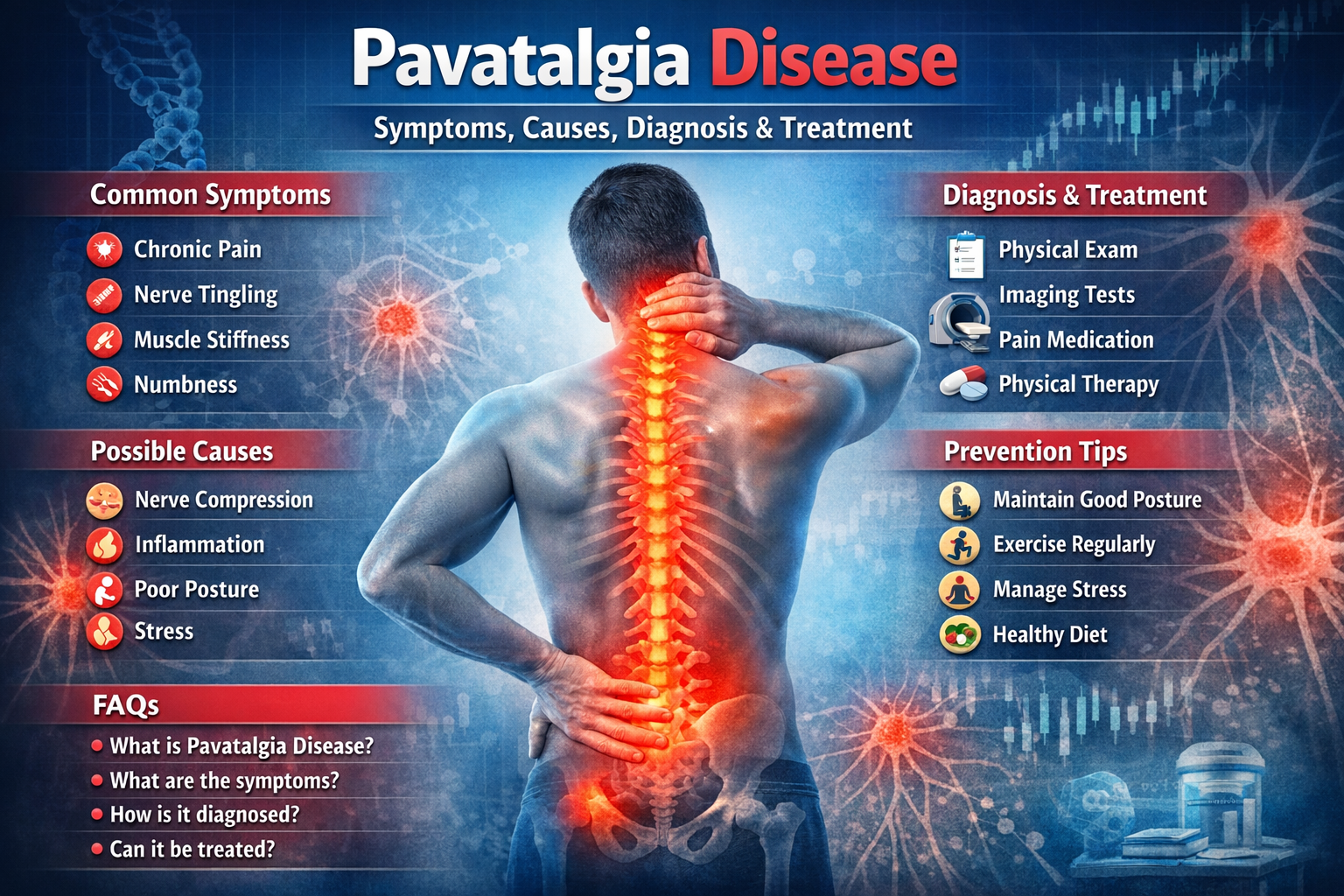
Pavatalgia disease is a health condition that has recently attracted attention in medical discussions because of its complex symptoms and potential impact on everyday life. Many individuals who experience this condition report persistent discomfort, nerve-related sensations, and recurring pain that may affect normal activities. Although research on this condition is still evolving, experts believe that it may be associated with nerve irritation, inflammation, or musculoskeletal stress. Because the symptoms can appear gradually, people often overlook the early warning signs. Increasing awareness about pavatalgia disease is essential so individuals can recognize potential symptoms and seek proper medical attention. As more studies emerge, healthcare professionals are gaining better insights into how it develops and how it can be effectively managed.
Understanding Pavatalgia Disease
Pavatalgia disease generally refers to a condition involving chronic or recurring pain that may occur due to nerve sensitivity or inflammation within the body. People experiencing this condition often describe sensations such as burning, tingling, pressure, or sharp discomfort in certain areas. These symptoms can appear suddenly or gradually over time depending on lifestyle, physical strain, or underlying health conditions. In many situations, may develop when nerve pathways become irritated or when surrounding tissues place pressure on sensitive nerves. Because the symptoms can overlap with other neurological or muscular disorders, diagnosing the condition can be challenging. Medical professionals typically examine a variety of factors before identifying pavatalgia disease as the possible cause. A deeper understanding of the condition helps both patients and healthcare providers approach treatment more effectively.
Symptoms of Pavatalgia Disease
Physical Symptoms
The physical symptoms associated with pavatalgia disease can vary depending on the individual and the severity of the condition. One of the most common symptoms is persistent pain that may range from mild discomfort to intense episodes that interfere with daily life. Some individuals experience muscle stiffness, swelling, or tenderness in affected areas. This pain may become more noticeable after long periods of activity or physical strain. In certain cases, patients may also feel fatigue due to the body’s response to continuous discomfort. Over time, these symptoms can make routine tasks such as walking, sitting, or exercising more difficult. Recognising these early signs of pavatalgia disease can help individuals seek medical advice sooner.
Neurological and Sensory Symptoms
Another important aspect of pavatalgia disease involves neurological sensations related to nerve sensitivity. Patients often report tingling, numbness, or unusual sensations that resemble electric pulses in certain areas of the body. These symptoms may occur intermittently or persist for extended periods. Changes in temperature, touch, or pressure may trigger these sensations, making everyday activities uncomfortable. Some people also develop increased sensitivity in affected regions, where even mild contact may cause pain. These nerve-related symptoms can sometimes disrupt sleep and reduce overall quality of life. Proper medical evaluation is important to determine whether pavatalgia disease is responsible for these neurological sensations.
Causes and Risk Factors of Pavatalgia Disease
The exact cause of pavatalgia disease is still being studied, but several factors may contribute to its development. Nerve compression is one possible cause, occurring when surrounding tissues apply pressure to nerves and interfere with normal nerve signals. Chronic inflammation in muscles or connective tissues may also play a role in triggering symptoms. Repetitive movements, poor posture, and prolonged physical strain can gradually lead to nerve irritation. Emotional stress and anxiety may further increase the body’s sensitivity to pain signals. In some cases, underlying medical conditions may also contribute to the onset of pavatalgia disease. Because multiple factors may be involved, understanding the potential causes is essential for effective prevention and treatment.
Diagnosis of Pavatalgia Disease
Diagnosing pavatalgia disease usually requires a thorough medical assessment rather than relying on a single test. Doctors typically begin by reviewing the patient’s medical history, lifestyle, and detailed description of symptoms. Physical examinations help identify areas of tenderness, inflammation, or nerve sensitivity. In certain situations, imaging tests such as X-rays or MRI scans may be recommended to rule out structural injuries or other conditions. Blood tests and neurological evaluations may also be used to examine possible underlying health issues. Because the symptoms of pavatalgia disease can resemble other medical disorders, careful evaluation is necessary for an accurate diagnosis. Once the condition is confirmed, healthcare providers can create a treatment plan tailored to the patient’s needs.
Treatment Options for Pavatalgia Disease
Treatment for pavatalgia disease usually focuses on reducing pain, improving mobility, and addressing the root cause of symptoms. Doctors may recommend anti-inflammatory medications or pain relief treatments to reduce discomfort and swelling. Physical therapy programs are often helpful because targeted exercises strengthen muscles and relieve pressure on affected nerves. Some individuals may benefit from massage therapy, stretching routines, or posture correction strategies. Stress management techniques can also reduce nerve sensitivity and improve overall health. In severe cases, specialized treatments such as nerve therapy or rehabilitation programs may be required. With proper treatment and lifestyle adjustments, many individuals can successfully manage pavatalgia disease and improve their quality of life.
Lifestyle Changes and Prevention
Although pavatalgia disease may not always be preventable, adopting healthy lifestyle habits can significantly reduce the risk of severe symptoms. Maintaining proper posture during daily activities helps prevent unnecessary pressure on muscles and nerves. Regular physical exercise improves flexibility, strengthens muscles, and supports overall body health. Stress reduction techniques such as meditation, deep breathing, and adequate sleep can also help manage pain sensitivity. Eating a balanced diet rich in vitamins and minerals supports nerve function and overall wellness. Avoiding prolonged physical strain and staying hydrated may further reduce the likelihood of recurring discomfort. These preventive measures can play an important role in managing pavatalgia disease and maintaining long-term health.
(FAQs)
1.What is pavatalgia disease?
Pavatalgia disease is a condition commonly associated with persistent pain, nerve sensitivity, and unusual sensory symptoms in certain areas of the body. It may occur due to nerve irritation, inflammation, or muscular strain. Although research is still developing, the condition is increasingly recognized in discussions related to chronic pain and neurological discomfort.
2.What are the main symptoms of pavatalgia disease?
The most common symptoms of pavatalgia disease include persistent localized pain, tingling sensations, numbness, muscle stiffness, and heightened sensitivity in affected areas. Some individuals may also experience fatigue or difficulty performing everyday tasks due to ongoing discomfort.
3.What causes pavatalgia disease?
Several factors may contribute to pavatalgia disease, including nerve compression, chronic inflammation, repetitive physical movements, poor posture, and prolonged stress. In some cases, underlying medical conditions may also play a role in triggering the symptoms.
4.How is pavatalgia disease diagnosed?
Doctors diagnose pavatalgia disease through a combination of medical history evaluation, physical examinations, and diagnostic tests such as imaging scans or neurological assessments. These methods help rule out other medical conditions that may produce similar symptoms.
5.Can pavatalgia disease be treated?
Yes, pavatalgia disease can often be managed through medical treatment, physical therapy, and lifestyle changes. Treatment may include medications, therapeutic exercises, stress management techniques, and rehabilitation programs designed to reduce pain and improve mobility.
6.Is pavatalgia disease preventable?
While it may not always be possible to prevent pavatalgia disease, maintaining healthy habits such as proper posture, regular exercise, stress management, and balanced nutrition can significantly reduce the risk of severe symptoms.
Conclusion
Pavatalgia disease is a complex condition that demonstrates how nerve sensitivity, inflammation, and lifestyle factors can interact to affect overall health. Individuals experiencing persistent pain, tingling sensations, or mobility issues should consider seeking medical evaluation for accurate diagnosis. Early recognition and proper treatment can help reduce the impact of symptoms and improve daily functioning. With advancements in medical research, healthcare professionals are continuing to learn more about the causes and management of. Increased awareness and education about this condition can help individuals take proactive steps toward maintaining better health and well-being.
